More popular than Jev! The reverse version of “Thanos,” REA, topped GitHub in just one day!
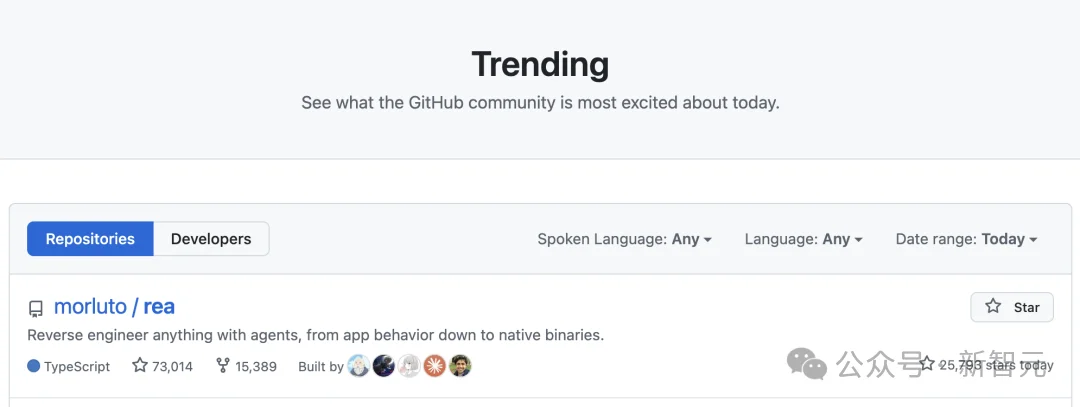
In the past two days, a project on GitHub called REA (Reverse Engineer Anything) has gained nearly 70,000 stars!
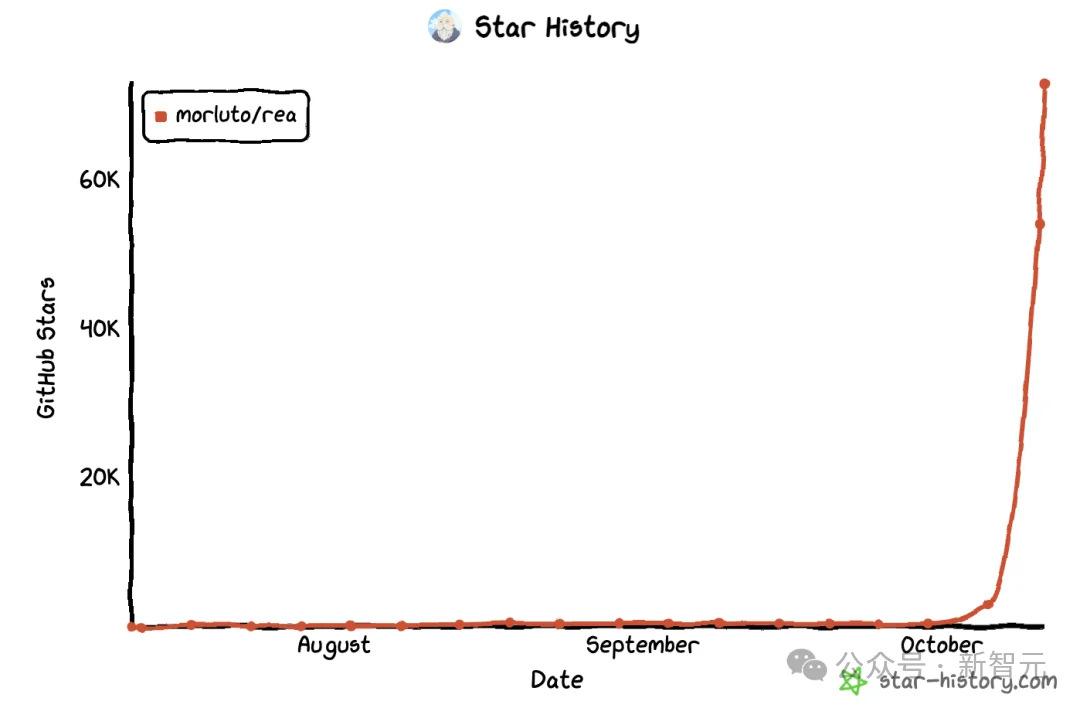
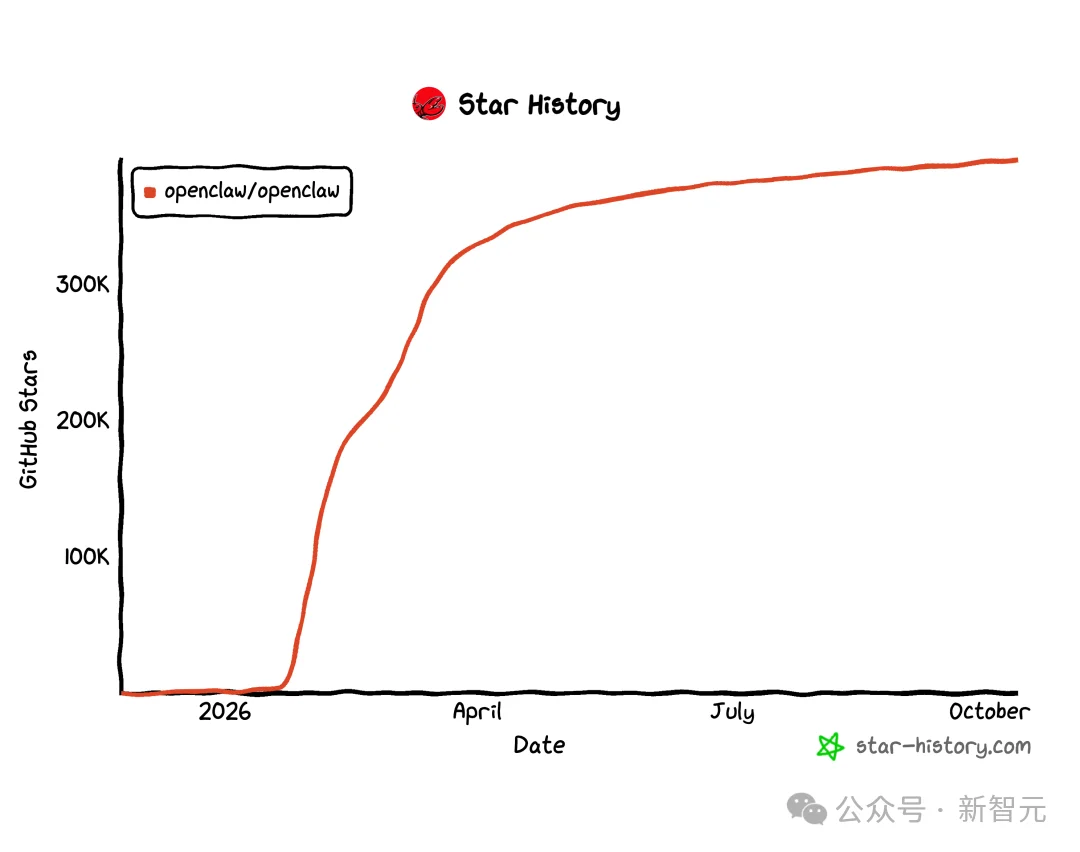
In contrast, OpenClaw, which created a growth miracle at the beginning of the year and led the nation in raising “lobsters,” has the following growth curve on GitHub Stars: it added another 60,000 stars on the third day of its surge, while REA has already approached 80,000 stars on the third day (today):
The recently popular Jev is closed-source, so we can only compare its downloads from npm: Jev was downloaded 35,000 times in the first three days, while REA has already accumulated about 44,000 downloads!
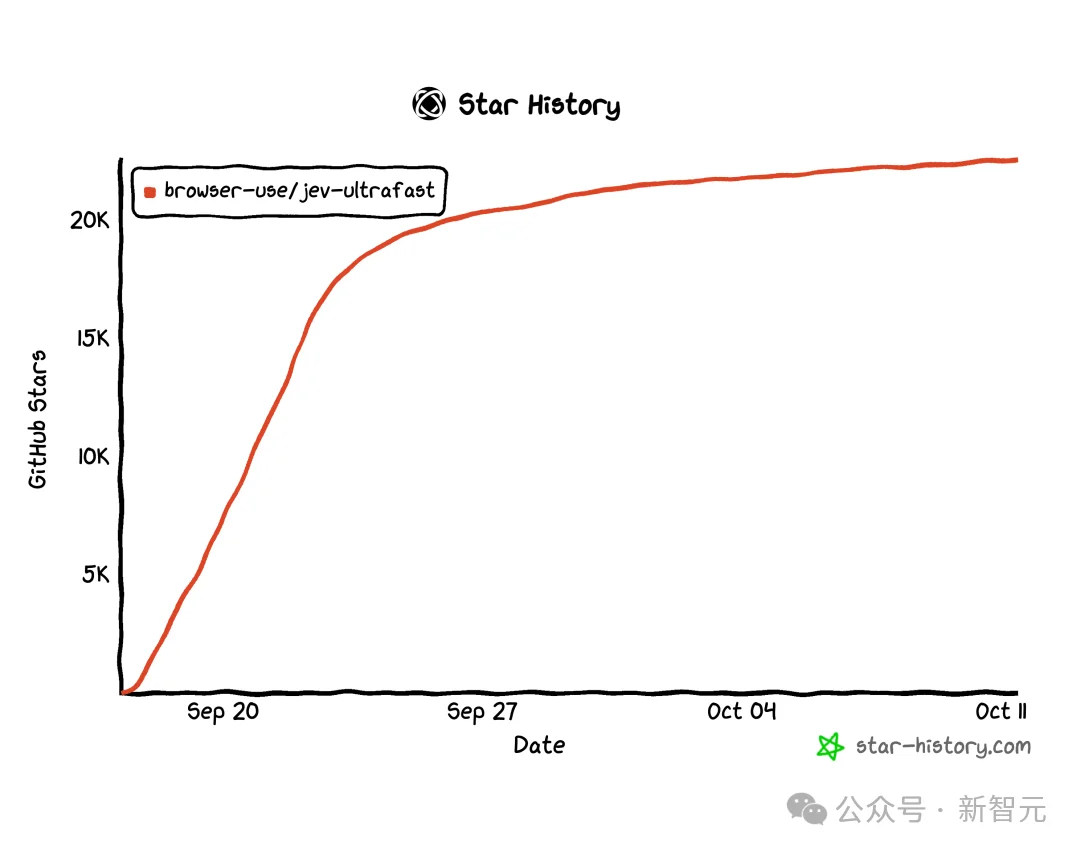
Jev Open Source Version: GitHub Project Star Trend
Today, it has already topped the GitHub Trending rankings, gaining tens of thousands of stars every day, showing a strong momentum similar to OpenClaw at the beginning of the year.
It only did one terrible thing: it made AI strip all the underlying components (the “underwear”) of all commercial software completely.
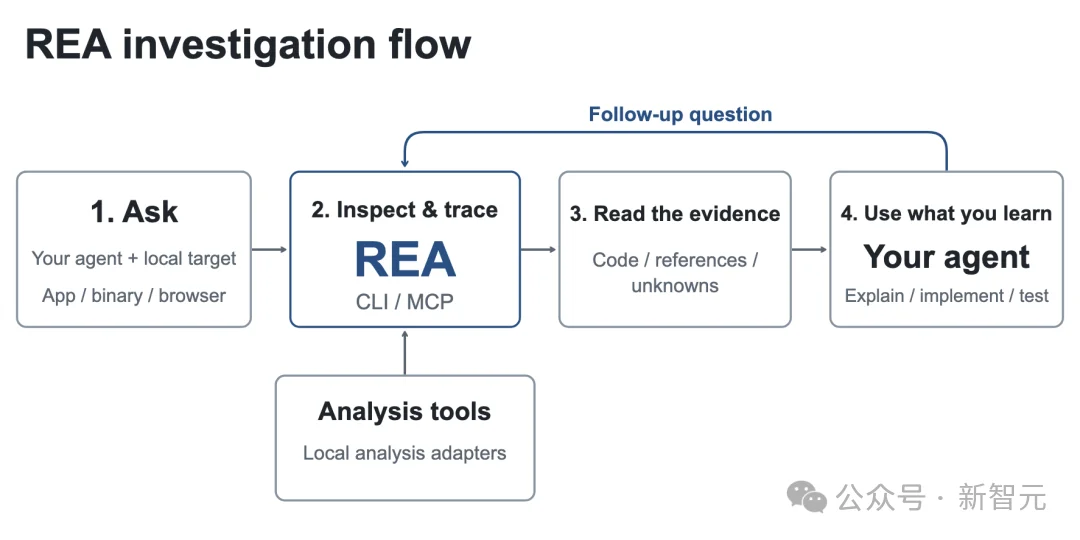
From now on, whenever you point to any commercial app on the screen and say “I want this feature,” your Claude Code, Codex, or other agents will use REA to dive directly into its binary code, analyze the assembly language, and produce perfect open-source code. They will also provide you with all the “evidence” needed to implement that feature.
The author even attempted to reverse-engineer such a large commercial software as Office!
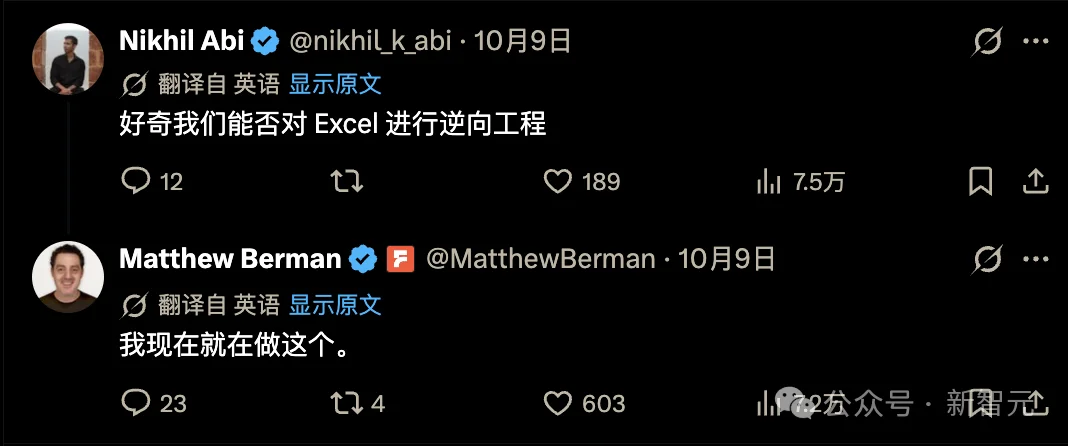
If it were truly possible to completely reverse the situation, the largest software closed-source systems on macOS and iOS would be overthrown by open-source solutions!
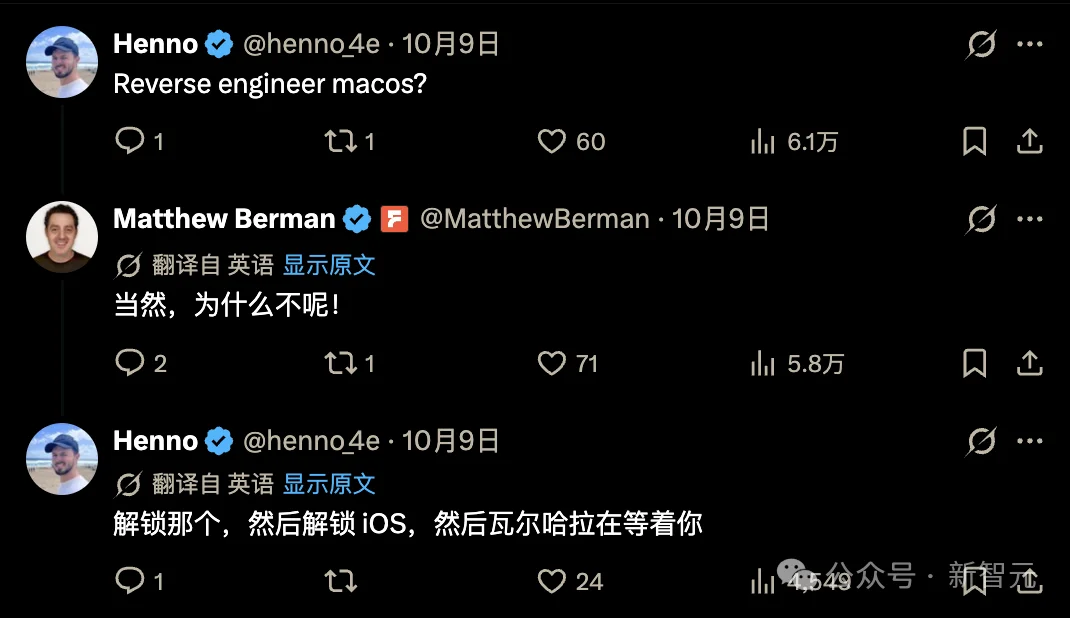
The "closed-source moat" that has lasted for half a century has now officially declared bankruptcy; at this very moment, the myth is over.
The so-called software trade secrets have become a laughingstock that can be made public by large models at any time.
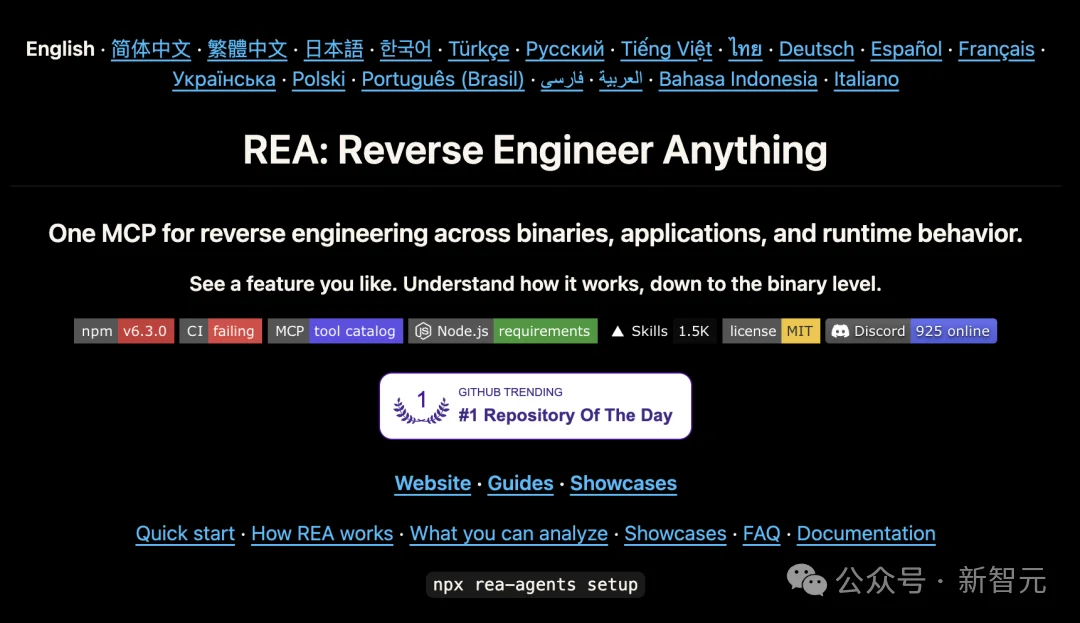
Break the black box into pieces.
There are two types of people who really enjoy playing the trickster role in the world: one is the so-called “masters,” and the other is the tech companies that package their code into binary files and then claim that they contain “core technology.”
In the past, large companies would compile code that might have been as messy as a pigsty into machine code, and then it would become “intellectual property.”
Ordinary people find these binary files incomprehensible, just like reading ancient scripts.
Occasionally, there are a few hackers who are proficient in reverse engineering. They use tools like IDA or Ghidra to dig through complex code. Doing so is considered a form of “metaphysics” – a kind of artistic or skilled approach to problem-solving.
So the big manufacturers are very confident; they think that as long as I don’t give you the source code, you will never know whether there are any monkeys in my “black box” stepping on the generator or not.
But the emergence of REA has shattered that ‘black box’ (the mysterious or unknown system).
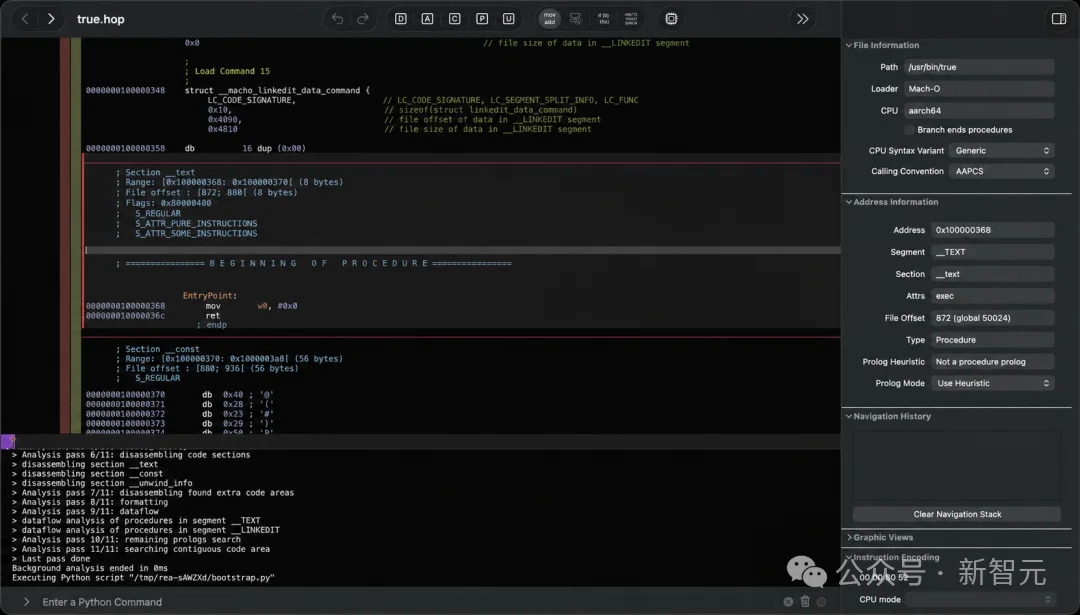
Its logic is simple yet astonishingly effective.
Your large model isn’t very smart, but doesn’t it have the power to tie up chickens? Don’t your Ghidra and Hopper cut through iron like mud? Yet no one can understand how they do it?
Okay, REA has created a basic MCP.(Model Context Protocol)Broker, bring these two people into the same room.
The current situation is: you don’t need to know what an ELF file is or what EVM bytecode means; you just need to give orders, just like an uncle would:
Go and take a look at how to implement the Notion clipboard bridging feature.
Then your AI will call REA on its own, decompile the code, read the assembly instructions, trace the logic to find the user interface, and finally report the results to you in human language:
Report to the boss: This is how it is done, and the code can be directly used for refactoring in C++.
This is only applicable to the "Trisolaris智子" concept in the software industry!
In the face of REA (Real-Time Application Analysis), the behavior of apps, their native binaries, Android APKs, and even hardware firmware become like one-way transparent glass rooms.
Absurd End
If you still think that this is just a “helpful tool” for a person, you might be completely ignorant of the greed of human nature and the inevitability of logical consequences.
Here, we make some predictions that are very likely to come true:
First, at the code level, "micro-innovation" plagiarism will become a precise field of automated science.
In the past, when copying code, one had to look at the user interface (UI) to guess the logic behind it; now, AI uses tools to directly select the assembly instructions at the bottom of the code.
Those people who rely on one or two exclusive algorithms and a bit of cleverness to mix their products will wake up tomorrow morning to find that their company’s core selling points have been made available for free in an open-source repository.
Secondly, intellectual property (IP) lawyers would welcome a collective "myocardial infarction" (a severe medical condition).
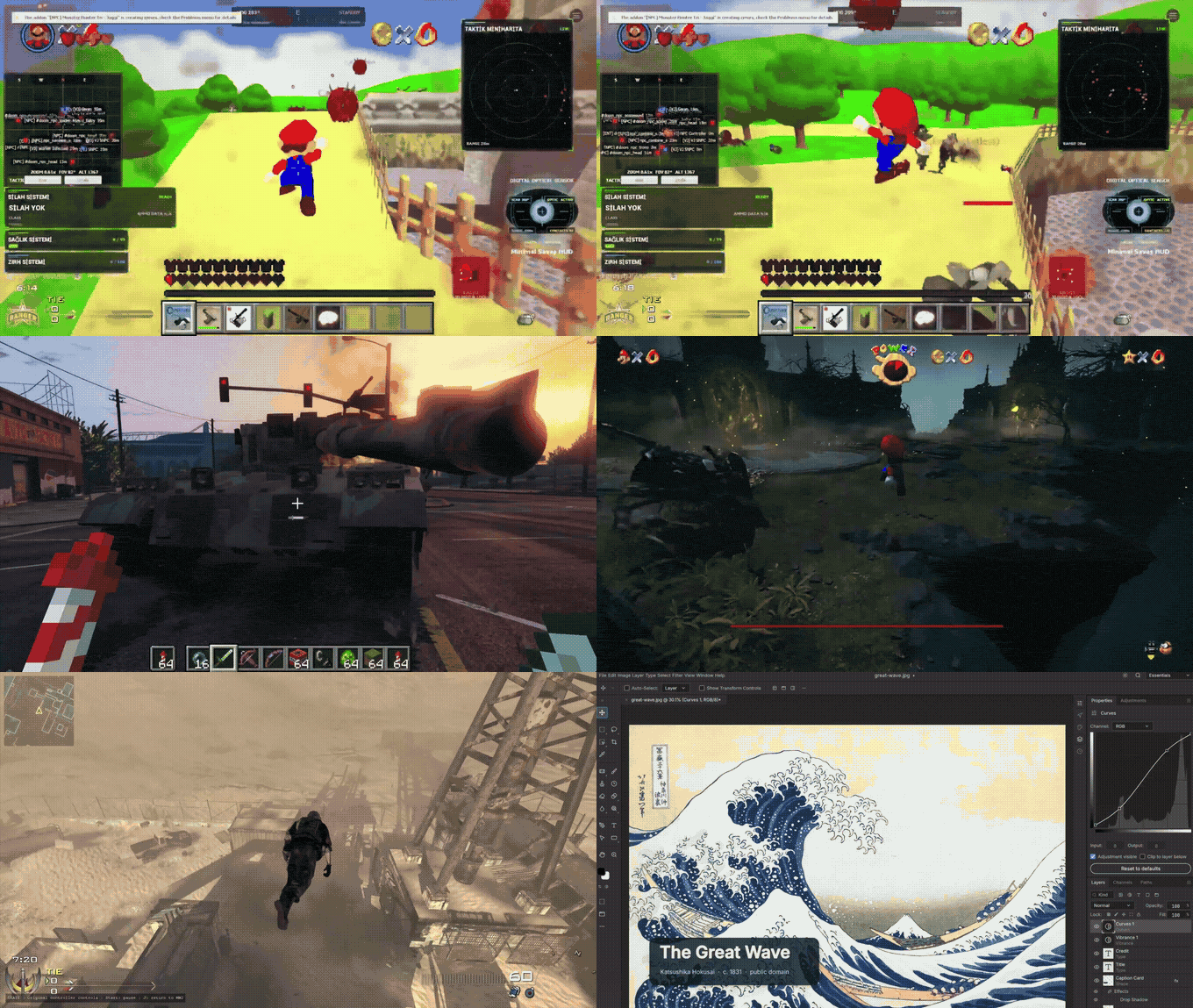
When it becomes as easy as drinking water to prove that “non-core code is similar,” the current software copyright laws will become a mere formality.
You can't sue an AI, and even if the AI copies code with consistent logic but completely different syntax, even judges wouldn't know how to make a judgment.
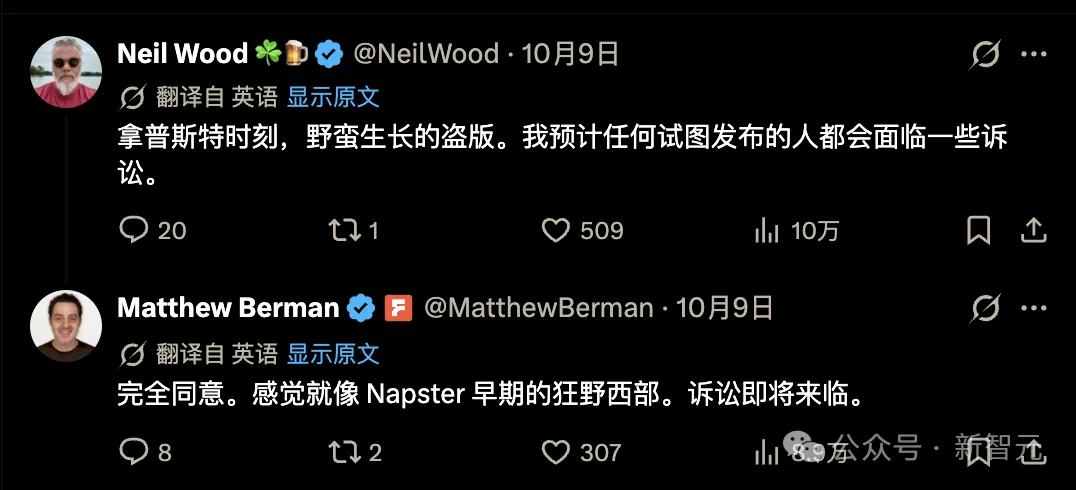
Third, and perhaps the most absurd point: Future software engineering will be a competition of who can create the most disgusting and inhumane products—what might be called an “anti-humanity race.”
Since the code cannot be hidden, the only option for the company is to do everything possible to protect its valuable assets. "Code obfuscation" is the solution.
Taking the quicksort algorithm in Python as an example, after code obfuscation, the simple and elegant code becomes like this:
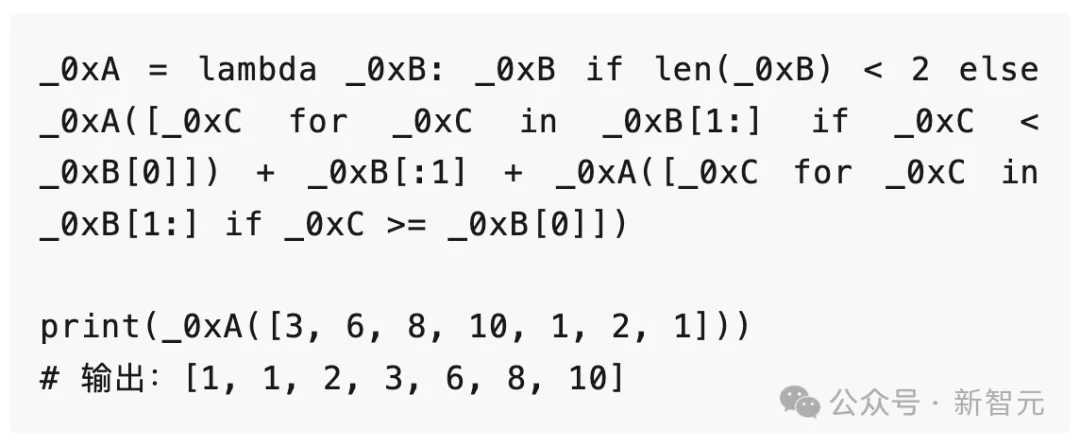
Programmers of the future will no longer strive for the elegance, readability, and efficiency of their code; instead, they will go to great lengths to write code in a mess, so messy that even AI would want to commit suicide upon seeing it.(End of session)The degree of...
We are about to enter an extremely interesting era: AI-powered human engineers are working hard to turn feces back into delicious food, while human engineers are also striving to turn that delicious food back into feces.
Wilde said that everything in the world is related to sex, except for sex itself.
To borrow this phrase, in REA, apart from the code itself, all software businesses in the world are only related to computing power, data, and network effects.
Code is no longer sacred; it's just a bunch of consumable materials that can be reverse-engineered, analyzed, and reconstructed at any time.
REA has been implementing these “shame-covering” measures so quickly that many large companies are now “standing naked in the wind,” thinking they are wearing beautiful new clothes.
References:
https://github.com/morluto/rea
The author is from "New Intelligence Yuan" and is named "Marco".
Article link:https://airai.cc/en/ai-news/56/
有用吗?