Silicon Valley's AI Landscape: Whoever Has the Computing Power Is the Leader
There's no way around it! Silicon Valley has already started competing for artificial intelligence computing power.Thorough! Thorough! Crazy! Crazy!
Even Dario Amodei, the CEO of Company A, went so far as to humbly ask for help from their competitor, Meta:
Dude, give me some money.Computing powerWell...

Guess what? Elon Musk reaped the benefits while Mark Zuckerberg politely declined the offer:
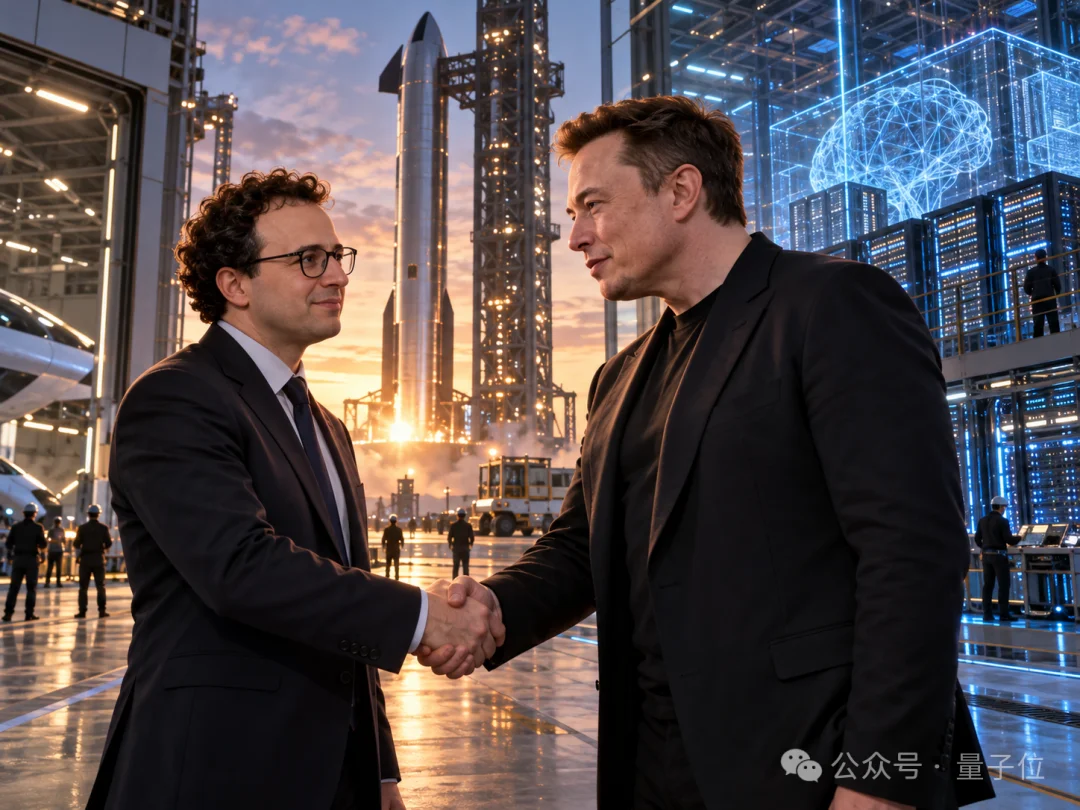
SpaceXActing as a reseller of NVIDIA GPUs, selling computing power to Anthropic and making a fortune—
The first financial report for August showed impressive results, with quarterly AI business revenue reaching a high of$2.561 billion, a year-on-year increase of 247% and a month-on-month increase of three times.

Well! Silicon Valley is really competing for computing power.Dalian HengshidaiDangdang is coming.
No matter how harsh the arguments were online in the past, one still has to show respect for GW off stage.
Don't bend; just watch the one next to you falling behind.Google。
Noam, a top scientist, please come back for the $2.7 billion. Shazeer, because...Difference in computing powerThomas moved to OpenAI in less than two years.
When others spend money, they expect to be heard; you, on the other hand, seem to do Google purely for the sake of charity.(doge)

Anyway, Silicon Valley is now trying to figure out what it's all about…
Whether talents can be retained, whether the models can remain ahead of the competition, and whether artificial intelligence can truly achieve its potential... These issues are increasingly dependent on how much computing power is still available.
Silicon Valley's hard currency: GPUs
Previously, there was a shortage of both money and personnel; now, the main issue is...Computing Power Economy。
Even technology giants like Google cannot guarantee that star researchers have access to sufficient GPU resources.

MentionNoam ShazeerThe first person that comes to mind is one of the eight founders of Transformer. He left Google in 2021 and founded character.AI, dedicated to developing generative artificial intelligence chatbots.
In 2024, Google made an investment.$2.7 billionShazer returned through a transaction and now serves as the co-head of Gemini.
Such researchers should be the ones that giants compete to protect and secure their resources.
However, according to the latest reports from foreign media, his team has also encountered difficulties in reallocating computing resources, and Shazer has been forced to relocate to another country.OpenAI。
Previously, coincidentally...HassabisFor a long time, he has been dissatisfied with the insufficient computing power of the project, which also played a role in his decision to resign, as it influenced the CEO's decision.
Currently, there are significant differences in resource allocation at Google.Sergey BrinSometimes they will intervene directly and reallocate resources to the projects they consider important.
But in the end, due to insufficient computing resources, the only option is to rely on open-source solutions to reduce costs.
External competition from companies has made industry relationships even more complex.
OpenAI and the top startup Anthropic are not only competing for model capabilities but also for data centers, servers, and power supply capabilities.

WithAnthropicFor example, the computational requirements of its model have become sufficiently large, necessitating discussions with another model company regarding supply issues.
The cooperation agreement with SpaceX in May of this year stipulated that more than 300 megawatts of new capacity would be added that month, involving 220,000 NVIDIA GPUs, as well as an increase in the usage quotas for Claude Code and the API.
In other words, the purpose of doing this isProvide the backend with more computing power to support the frontend.High computing power, strong models – users stay because of these features.
Therefore, competition among model companies has begun to involve two sets of logic operating simultaneously:
Product LevelEveryone is still competing for users and development talent;Infrastructure LevelAnyone who can provide resources in a timely manner may become a potential partner.
How do those small AI startups manage to survive in such a competitive market?
Their situation is even more dramatic.
It is difficult for these companies to establish their own data centers, but in the past, they could flexibly rent GPUs from cloud platforms such as AWS.Pay-as-you-go。
However, as leading artificial intelligence laboratories have secured a large amount of computing resources, some cloud service providers have begun to require advance payments for multi-year contracts, amounting to a significant portion of the total contract value.30%Even require startups to find a payment guarantor.
All of these things put startups in a dilemma.
If future user growth falls short of expectations, the continuously expended cash will be wasted; if you buy too little, you may miss out on growth opportunities due to a lack of computing resources to handle the demands.

On the contrary, this situation has given rise to a new business opportunity:Global Computing Power Gold Rush.
In other words, the goal is to identify artificial intelligence server resources around the world that are not being fully utilized and then rent out this computing power to companies that need it.
For example, the representative company San Francisco Compute goes to old chicken coops in rural areas of the United States to collect servers.TSMC and Musk as wellFurther discussions were held on computational cooperation.
Top VCs in Silicon Valley have also started to stockpile GPUs.YC launched a dedicated GPU cluster for its startup in July, and Radical Ventures will also assist the invested companies in coordinating supplier contracts.
For small teams that are training or deploying models, this somewhat addresses the immediate need.
The battle for artificial intelligence computing power is getting out of control.
ButIt's better to let things flow freely rather than trying to block them.The reason for this shortage in computing power is actually quite complex.
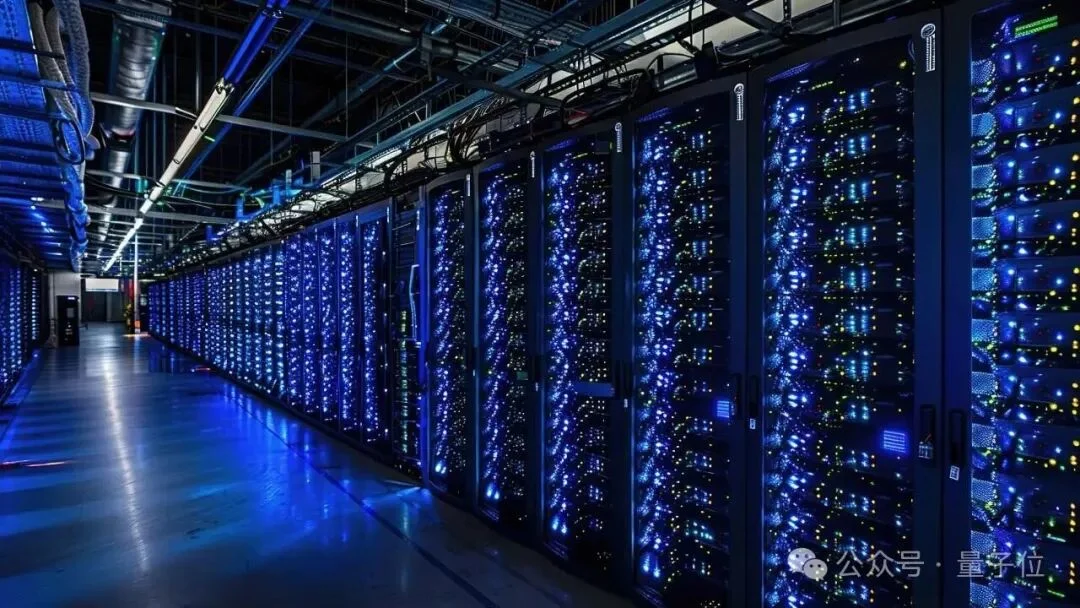
OpenAI, Meta, and even Google are all actively building new data centers and making commitments regarding their data center infrastructure.FutureA large amount of GPU resources will be provided.
However, the rapidly growing demand for the model is urgent. The time difference between regions, or the seemingly large potential market, is one of the reasons why the company has to continue searching for computing resources everywhere.
The way users utilize artificial intelligence actually increases the supply pressure.
Starting from this year,AgentStarting to replace question-and-answer interactions as the core paradigm used by users, continuous long-term work tasks are forcing servers to handle more parallel computing.
As demand has increased, the chip leasing market has undergone tremendous changes.
Data released by SemiAnalysis in April this year shows that,H100The price of the one-year lease agreement increased from a low of $1.70 per hour in October 2025 to $2.35 per hour in March 2026, representing an increase of nearly40%。
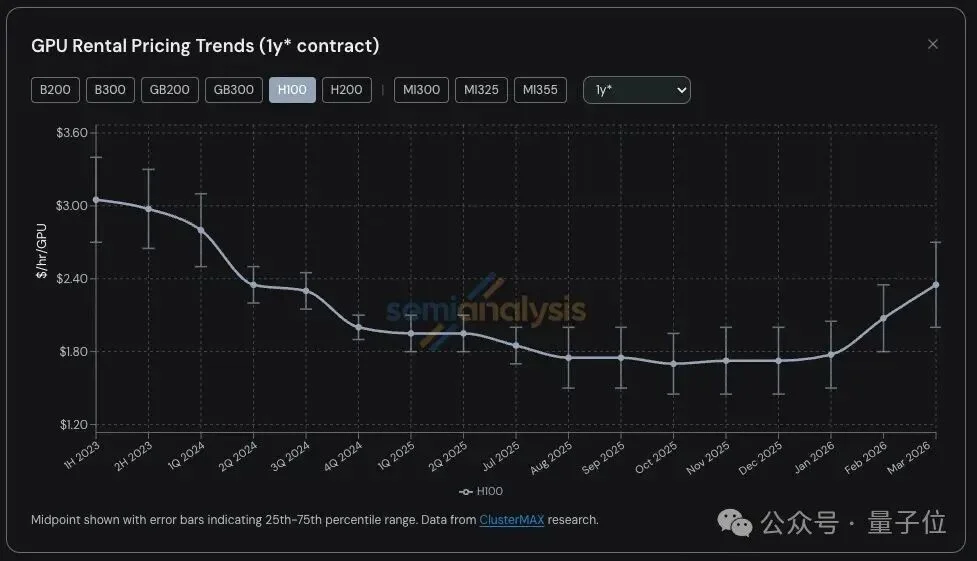
The claim that GPUs are as valuable as gold is not without basis.
The lack of computing power that can be delivered immediately and operates stably is a significant issue; new computing capabilities are still a long way off. Together, these factors have created a dilemma in the computing power market.
SoComputing Power HegemonyMake it more concrete.
Even if someone has a clear route and sufficient computing resources, the narrative of startups challenging industry giants will gradually become exhausted.
What is visible to the naked eye is,Computing power is becoming the entry barrier for the era of artificial intelligence.And enhance the advantages of large companies that have their own infrastructure.
It can be said that I possess computational power, and my strength is at my fingertips.
There are more and more considerations for those working on artificial intelligence products. We not only have to worry about the product not being used by anyone, but also about the user growth rate exceeding the expansion of their own computing capabilities.
But difficulties are also opportunities.The middle layer of the shovel sellerShe was overjoyed.
You said that, right, Lao Huang?
Reference Links:
[1]https://www.wsj.com/tech/ai/ai-computing-power-demand-a63da9b9?st=tzDj41
[2]https://www.anthropic.com/news/higher-limits-spacex
[3]https://newsletter.semianalysis.com/p/the-great-gpu-shortage-rental-capacity
The author comes from "Quantum Bit" and is named "Luyu".
Article link:https://airai.cc/en/ai-news/57/
有用吗?